One of the things I used to offer on this blog was free, printable coloring pages with pictures of seashells. Readers seemed to appreciate the printables and I’ve wanted to bring them back. Let’s start with the Scaphella junonia.
I have begun to create some new pages that contain seashell outlines. These coloring pages are free to anyone for personal or classroom use. Homeschool moms and dads especially like to use them in their marine biology studies.
Aside from schooling, these free pages can be used to keep youngsters happy when they may otherwise be bored. Take along for a car or plane trip to keep the kids occupied and away from the tech devices. Use at the kids table at a wedding event. Be sure to provide lots of crayons and felt pens in a wide array of colors.
Kids, and even adults, may learn something from the images. I’ll provide the common name of the shell (what I call it!) and the scientific name, if possible. I’ll include a real photo of the shell on my blog, when possible, just in case that is helpful.
You may be able to find old coloring page images on this blog, but from here on out the pages will be newly created. Some of the old ones may have a reference to “Squidoo”, which is defunct. The new pages will have my SeashellsbyMillhill blog listed.
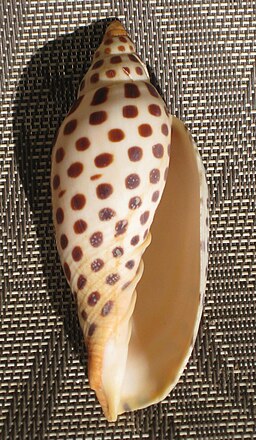
Let’s start the coloring collection with a favorite shell called the junonia, or Scaphella junonia (scientific name). It’s also known as Juno’s volute. I have written about this shell before. I don’t have one in my collection of shells mainly because I have only visited Sanibel Island a couple of times. And both times I knew nothing about collecting rare seashells. I’m sure I was an oddball on the island at the time, since most people visiting Sanibel know it’s a shellers paradise.
The Junonia seashell is unmistakable with its spotted coloring. If you should find one, you will have yourself a rare shell.
Florida’s west coast is the place to beach-comb if you want a junonia shell for your collection. Sanibel Island beaches occasionally have them wash up. Even a shell that is not in the best condition would be a wonderful find.
I have drawn a couple images over the years of this unique seashell and you may download and print them out to use at home or for homeschool.
The casual seashell collector gathers whatever looks good as they stroll along the shore, but some people are die hard searchers for that elusive rare shell. It should be in close to perfect condition too! Those could actually be worth some money – to a collector.
I don’t know much about buying and selling seashells and if you are serious about knowing how to spot a rarity, buy a good book or join a seashell collector’s forum.
The three top rare shells to keep in mind while beach-combing in Florida are the ones listed below, and this is only my advice from my research.
The Junonia – a spotted shell found in the Gulf area beaches
The Lion’s Paw scallop, which is much larger than an ordinary scallop shell
The Scotch Bonnet shell
Rare shells can also include a shell that is built differently than the norm. A Lightning Whelk twists to the left and has a left side opening, but finding one that opens on the right would be a rare find.
A shell or creature found outside of it’s natural territory can also be considered a rare find. The Lined Sea Star photo at the beginning of this page is one such creature. I’d never seen one on the beaches of east, central Florida so when I discovered it (dead I believe) it was a wonder. This was a rare sighting… for me!
Go Where the Shells Are to Begin Your Search
I’ll admit that I’ve never personally seen any of the shells listed here. I live on the central, east coast of Florida. There are a couple of pages on this blog showing the more common shells to be found in my area.
Sanibel Island is the one of the best places to find shells here in Florida. It ranks among the top shelling spots IN THE WORLD. Because of the abundance of shells, finding rare shells is more likely, such as the pretty, spotted Junonia shell.
Junonia seashell – Public Domain image / Wikimedia Commons
The Junonia shell is unmistakable. With it’s ivory colored background that is covered with blocks of brown spots. According to my reference book, roughly one Junonia is found each day on Sanibel Island, Florida. And considering all the people on those beaches, this truly is a rare seashell find. (Junonia coloring page – print it out for free!)
I could search for a Junonia all my life over here on the east coast and probably never find one. But if I lived near Sanibel, or vacationed there often, my chances of finding a junonia would increase greatly. Then again, many people in the Sanibel area also search for shells like this so there is competition.
The Lion’s Paw Scallop Shell
The Lion’s Paw shell (Nodipecten nodosus) is coveted by collectors. It can be as large as 6 inches across. Large shells are often what people want to find while roaming a beach. I have never found one of these amazing seashells. In fact, where I live on the East coast of Florida, I rarely find any type of scallop shell, but when I do, they usually look like the one below. The Calico scallop can be found on all beaches in Florida, and is not considered rare. I added the image here to show the similarities with the Lion’s Paw.
An outstanding feature of the Lion’s Paw scallop shell is that the ridges are wider and more widely spaced than a normal scallop. Also, the shell can be brightly colored, like the orange seen here, or even red. The image below, from Wikimedia, with creative commons license to share, is an orange scallop shell called a “Lion’s Paw”.
Huge Lion’s Paw scallop
The Lion’s Paw is a Scallop
Atlantic Calico Scallop shell – a common shell found on many Florida beaches.
The Scotch Bonnet Shell
The pretty little Scotch Bonnet (Phalium granulatum) seashell has a short, pointed spire and horizontal grooves all around it’s thick shell. Maximim length is 4 inches and coloring can be white to yellow or butterscotch. It has a curled lip along the opening and can have a check pattern, like in the shell image below.
I will admit that I knew about the scarcity of the Junonia shell for years. And many people have heard of the rarely collected Lion’s Paw. I didn’t know that it could be found on Florida beaches until I did some digging.
I do not have any of the top rare seashells in my collection. I’m grateful to the people who share their photos on photo sharing sites, like Wikimedia Commons and Pixabay, which I used on this page.
For the third shell listed here, the Scotch Bonnet, I visited the “I Love Shelling” blog which is written by a woman who lives on Sanibel Island. I figured she would know which shells the locals consider to be “rare” and the Scotch Bonnet was mentioned. The Sanibel blogger has a page entitled, The Elite Three Shells.
Florida Beaches and What You’ll Find
An east coast beach will contain different shells than a Gulf Coast beach. I suspect the Keys and the Panhandle beaches will also give up an even different selection of shells.
My beach-combing usually takes place in the backwater areas of the Indian River where shells differ from what I’ll see along the Atlantic ocean beaches. Anyone boating and walking the muddy sandbars in the lagoons will probably find some shells that are completely different.
Hermit crabs in crown conchs and one shark’s eye
Most shells I come across are caked with mud and / or green with algae. Often they are broken, and nearly always they are occupied either by their mollusk creator, or hermit crabs. I don’t collect many shells, but do get some interesting photographs for my blog.
I’m more likely to find “rare” creatures, like the red hermit crab, a scary spider crab, and lined sea star (photo at top of page).
Whenever I find something to bring home (namely an empty seashell), then it is cleaned off and either added to the dish on the coffee table, or put into the flower garden.


 One of the things I used to offer on this blog was free, printable coloring pages with pictures of seashells. Readers seemed to appreciate the printables and I’ve wanted to bring them back. Let’s start with the Scaphella junonia.


.jpg)


