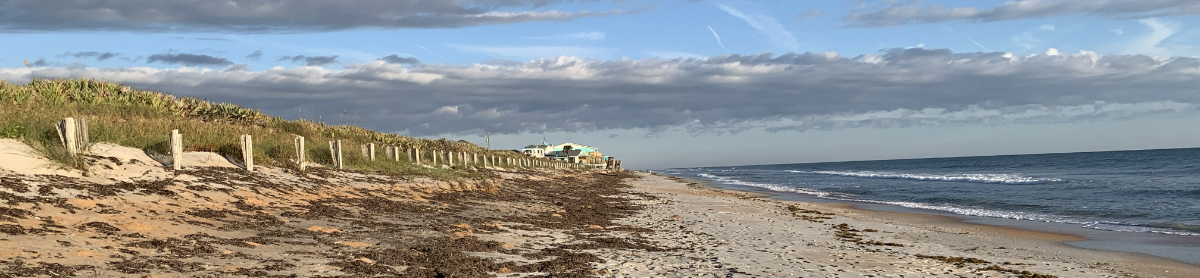
After hurricane Irene comes by and does her damage to the east coast, one thought to make you smile is that possibly the seashells washed ashore will offer a nice variety.
The churning ocean water will most likely dredge up some empty shells (and other things) and deposit them along the beaches. Even in Florida, where Irene won’t be felt as much, you may have some good pickin’s along the coast.
Most people love to find and collect seashells. The “best shells” is a relative term, as it may mean different things to different beach-combers.
I’m lucky to live in Florida where a beach is always close by. The West coast is the place to search for beautiful shells, and probably the Keys too, but I do find some cool shells on the East coast where I live. The truth is that I find the best shells while out boating.
The best place, in general, in the state of Florida, to find beautiful and unique seashells would be Sanibel Island and the surrounding area. I would also include any islands away from shore where there are fewer shell-seekers to compete with.
The best time, in general, to search for keepers would be at low tide or after a storm.
Sea greenery shows where high tide was
I’ve never done any shell collecting just after a big storm, but I’ve read blogs where people have found loads of particular shells washed up on the beach. I have come across shells far up on the beach, or tucked under roots of trees where they were shoved by the force of storm waves.
Anything sturdy and possibly buried in the sand can be moved with the extra-high tides and large waves that erode areas, especially after hurricanes. I am usually too busy dealing with the after effects of the hurricane to go out and collect seashells.
What does “best” Mean to you?
Shells I consider to be the “best” are the ones I come across less frequently, like these flat dosinia shells.
Disc Dosinia Seashells
The best shells to find are the more rare ones. Big beautiful gastropods, like the pink conch, horse conch, and helmet shell (pictured below), can also be categorized as the best. Good luck finding an empty one in good shape.
Helmet Shells (photo credit: Skeeze at Pixabay)
It depends on what you hope to find. Sometimes tiny shells can be special as well. I once came across some little Marsh Periwinkles which I’d never see before. I was walking around an island near Ponce Inlet and found three of them just lying in the sand. My Seashell ID book tells me this type of shell is not commonly found in my area, but can be found further north. They were empty so I took them home.
Wherever you plan to be while vacationing in Florida you are certain to find some interesting specimens along the beach. Be safe (the sun is a killer here) and know the rules when planning a trip.
The southeastern U. S. coastline, particularly the Gulf coast of Florida, contains some of the best shelling in the world. Sanibel Island and the surrounding area, including Captiva Island are situated just right for “catching” the shells in the current of the Gulf waters and when visiting you’ll find yourself doing the “Sanibel stoop” right along with all the other tourists who are hoping to find the best beach treasures.
When you are tired of shelling on the beaches, take a shelling cruise to the outer islands which are only accessible by boat, where the crowds will be fewer (I assume) and search for more treasures. Taking living shells is NOT ALLOWED – in fact, it’s against the law on Sanibel and in the area.
I’ve never visited the The Baily Matthews Shell Museum on Sanibel Island, – it wasn’t built when I vacationed there and opened in 1995 but every shell collector should find it interesting, and most likely helpful in identifying seashells. The Museum contains tons of seashells (of course), but also a history of the Calusa Indians and how they used shells in daily life. Here is a listing of exhibits at the museum.